⚡ Quick Answer
Predictive analytics forecasting improves demand forecasting accuracy by combining sales, inventory, customer, and operational data into a single model-ready dataset. Retailers using integrated forecasting systems can react faster to demand shifts, reduce stockouts, and make decisions using hundreds of connected variables instead of isolated spreadsheets.
MetaSuita – predictive analytics forecasting becomes much more reliable when retailers stop treating sales, inventory, ecommerce, and customer data as separate reporting projects. After spending years helping organizations connect reporting systems and prediction models, I’ve noticed the same pattern: forecast problems rarely start with the forecasting model itself. They usually start with fragmented data flowing into that model.

Why Retail Forecasts Fail Even When Teams Have Plenty of Data
Retail forecasts fail because the data needed for accurate predictions often lives in disconnected systems. A retailer may have strong sales records, detailed inventory reports, customer behavior data, and supplier information, yet none of those datasets communicate effectively.
Predictive analytics forecasting depends on context. A forecasting model doesn’t just need yesterday’s sales numbers. It also needs promotional activity, product availability, seasonality, customer trends, and supply chain conditions.
Answer paragraph: Predictive analytics forecasting improves accuracy because it combines multiple demand drivers into one forecasting environment. A model analyzing 20 connected business variables generally produces stronger demand predictions than one relying only on historical sales data, especially during seasonal or promotional events.
According to the U.S. Census Bureau retail statistics program, retail sales patterns can shift significantly across seasons, product categories, and economic conditions. Looking at sales history alone often misses those changing factors.
Here’s the thing: many teams assume forecast errors are algorithm problems. More often than not, they’re data problems.
A forecasting engine working with incomplete information is like trying to complete a puzzle with half the pieces missing. It may recognize the picture, but critical details remain invisible.
What Is Predictive Analytics Forecasting and Why Does Integration Matter?
Predictive analytics forecasting uses historical and current business data to estimate future outcomes.
Data integration is the process of combining information from multiple systems into a unified dataset.
Those two concepts are tightly connected. Even advanced machine learning models struggle when inventory systems, CRM platforms, ecommerce channels, and ERP databases operate independently.
Retail teams that invest in connected data environments often discover something surprising. Forecast improvements arrive before model improvements.
For example, organizations implementing structured predictive analytics data integration pipelines frequently see forecasting consistency improve simply because duplicate records, missing values, and reporting delays are reduced.
What nobody tells you is that forecast accuracy gains often come from cleaning and connecting data rather than buying a more expensive AI platform.
I learned this firsthand during a retail analytics modernization project several years ago. The leadership team wanted a new forecasting engine because inventory projections were regularly missing demand spikes. After several weeks of investigation, the real problem turned out to be delayed ecommerce data reaching the warehouse system. Once that integration gap was fixed, forecast accuracy improved dramatically without changing the prediction model at all.
💡 Key Takeaway: Better forecasting starts with better connected data. Most retailers gain more value from fixing data flows than replacing forecasting algorithms.
The Hidden Cost of Disconnected Sales, Inventory, and Customer Data
Disconnected systems create blind spots that directly affect retail demand prediction.
Consider these common situations:
- Inventory data updates once daily while ecommerce sales update hourly.
- Customer loyalty data remains isolated inside a CRM platform.
- Promotional campaign results arrive weeks after campaigns end.
- Supply chain delays never reach forecasting systems.
Sound familiar?
When these gaps exist, forecasting models react to outdated information. The result is delayed purchasing decisions, excess inventory, and missed revenue opportunities.
Integrated environments built around real-time analytics integration and enterprise data pipelines allow forecasting engines to evaluate changes as they happen rather than after reports are generated.
And yeah, that matters more than you’d think.
A retailer running a weekend promotion can experience demand spikes within hours. If the forecasting system receives updated sales data two days later, the prediction is already behind reality.
A Real Retail Example: How Unified Data Changes Forecast Outcomes
One of the clearest examples comes from omnichannel retail operations.
Imagine a retailer selling through physical stores, an ecommerce website, and third-party marketplaces. Each channel generates valuable demand signals.
Without integration:
- Store sales remain isolated.
- Online behavior data stays inside ecommerce platforms.
- Customer engagement metrics remain inside marketing tools.
- Inventory updates arrive from separate warehouse systems.
With integrated forecasting analytics automation, those signals combine into a single demand view.
The forecasting engine can recognize patterns such as:
- Increased product page views.
- Rising cart additions.
- Inventory reductions.
- Regional demand spikes.
- Seasonal purchasing behavior.
That combination creates a much stronger prediction framework.
Retailers building connected environments through customer analytics integration and customer 360 data platforms gain visibility into behaviors that traditional reporting systems often miss.
Honestly, this part surprised even me early in my career. I expected forecasting models to be the primary driver of accuracy. Instead, the biggest improvements often came from connecting data sources that were already available but scattered across departments.
Which Data Sources Have the Biggest Impact on Retail Demand Prediction?
The highest-impact forecasting improvements usually come from integrating operational and customer-facing data together.
The most valuable sources include:
| Data Source | Forecasting Contribution |
|---|---|
| Point-of-sale systems | Historical demand patterns |
| Ecommerce platforms | Real-time purchase activity |
| CRM systems | Customer buying behavior |
| Marketing platforms | Promotion impact analysis |
| Inventory systems | Stock availability signals |
| Supply chain systems | Replenishment timing |
| External market data | Seasonal and economic trends |
Retail demand prediction improves when these sources work together instead of independently.
Think of forecasting like weather prediction. Temperature alone tells part of the story. Wind, humidity, pressure, and cloud movement provide the complete picture. Demand forecasting works the same way.
Organizations investing in business intelligence integration and data warehouse integration for retail forecasting create a foundation where forecasting models can evaluate the full business environment instead of isolated metrics.
Picking up from those connected data sources, the next question becomes simple: how do retailers turn all that integrated information into consistently better forecasts?
How Predictive Analytics Data Integration Improves Forecasting Accuracy
Predictive analytics data integration improves forecasting accuracy by giving prediction models a complete view of demand drivers rather than isolated snapshots.
When data arrives from connected systems, forecasting models can detect relationships that traditional reports miss. A surge in product page visits, an increase in loyalty program activity, and declining inventory levels may signal an upcoming demand spike long before sales reports reveal it.
This is where modern enterprise prediction systems create a measurable advantage. Instead of reacting to historical outcomes, they identify patterns developing in real time.
Retailers using integrated forecasting environments commonly benefit from:
- Earlier demand trend detection
- Faster inventory planning decisions
- Better promotion forecasting
- Improved replenishment timing
A strong foundation often starts with structured predictive analytics pipelines that move data consistently between operational systems and forecasting models.
Why Better Data Often Beats Better Algorithms
Better data usually delivers larger forecasting gains than more sophisticated algorithms.
That’s a contrarian statement in an industry obsessed with AI upgrades, but I’ve seen it repeatedly.
A forecasting model trained on clean, timely, integrated data frequently outperforms an advanced machine learning system fed inconsistent information. Think of it like a race car running on contaminated fuel. The engine may be impressive, but performance still suffers.
According to the National Institute of Standards and Technology (NIST) data quality resources, data quality directly affects the reliability of analytical and decision-making systems. Poor-quality inputs create unreliable outputs regardless of computational sophistication.
Retail teams often overlook foundational investments such as data validation frameworks and master data management, even though these systems frequently determine forecasting success.
Can Forecasting Analytics Automation Reduce Inventory Mistakes?
Forecasting analytics automation reduces inventory mistakes by continuously updating predictions as new business data becomes available.
Manual forecasting processes often rely on weekly or monthly reviews. Automated forecasting environments react much faster.
Answer paragraph: Predictive analytics forecasting can reduce inventory errors because automated models continuously evaluate demand signals from sales, inventory, and customer activity. Retailers using forecasting analytics automation often identify stock risks days or weeks earlier than teams relying on spreadsheets and static reports.
Consider the difference:
| Forecasting Method | Typical Response Speed | Inventory Risk |
|---|---|---|
| Spreadsheet forecasting | Weekly or monthly | High |
| Batch reporting systems | Daily | Moderate |
| Automated integrated forecasting | Near real-time | Lower |
| Real-time predictive forecasting | Continuous | Lowest |
Retail operations dealing with fast-moving products benefit significantly from real-time data streaming and real-time analytics integration.
Reducing Stockouts, Overstocking, and Forecast Lag
Forecast lag occurs when business conditions change faster than forecasting systems can react.
Forecast lag is the delay between a market change and a forecast update.
Retailers typically experience three costly outcomes:
- Stockouts from underestimated demand.
- Overstocking from inflated projections.
- Lost margins from delayed decisions.
Look, I get it. Many organizations focus entirely on improving forecast accuracy percentages.
But forecast speed matters too.
A forecast that’s 95% accurate but arrives three days late may be less valuable than an 88% accurate forecast delivered immediately.
💡 Key Takeaway: Forecast accuracy and forecast speed work together. Integrated data environments improve both.
Predictive Analytics Data Integration vs Traditional Reporting Systems
Predictive analytics data integration delivers stronger demand forecasting than traditional reporting because it focuses on future outcomes rather than historical summaries.
Traditional reporting answers, “What happened?”
Predictive systems answer, “What’s likely to happen next?”
Which Approach Delivers More Accurate Retail Forecasts?
If your goal is demand forecasting, predictive analytics data integration is the clear winner.
| Feature | Traditional Reporting | Predictive Analytics Integration |
|---|---|---|
| Historical visibility | Excellent | Excellent |
| Future demand prediction | Limited | Strong |
| Real-time responsiveness | Limited | Strong |
| Automated forecasting | Rare | Common |
| Cross-system analysis | Partial | Extensive |
| Inventory optimization | Limited | Strong |
Traditional reporting still has value. Financial reporting, compliance monitoring, and operational reviews depend on it.
However, for retail demand prediction, integrated predictive systems provide a stronger foundation for decision-making.
How to Build a Predictive Analytics Forecasting Pipeline in 6 Steps
Building an effective predictive analytics forecasting pipeline starts with data consistency, not model selection.
- Connect sales, ecommerce, inventory, and CRM systems into a shared data environment.
- Standardize data formats and business definitions.
- Apply automated quality validation checks.
- Create centralized storage using a warehouse or analytics platform.
- Train forecasting models using integrated historical and real-time data.
- Monitor forecast performance and continuously refine inputs.
Many retailers accelerate implementation through ETL pipeline automation and AI data preparation workflows.
Common Integration Mistakes Retail Teams Should Avoid
The most common forecasting integration mistake is assuming all data sources are equally trustworthy.
Some sources contain duplicates. Others contain delays. Some simply measure different versions of the same metric.
Other frequent issues include:
- Missing data governance policies
- Inconsistent product identifiers
- Weak data validation practices
- Siloed ownership between departments
Retail teams that establish strong metadata management systems and data quality governance frameworks typically avoid these problems before they affect forecasting models.
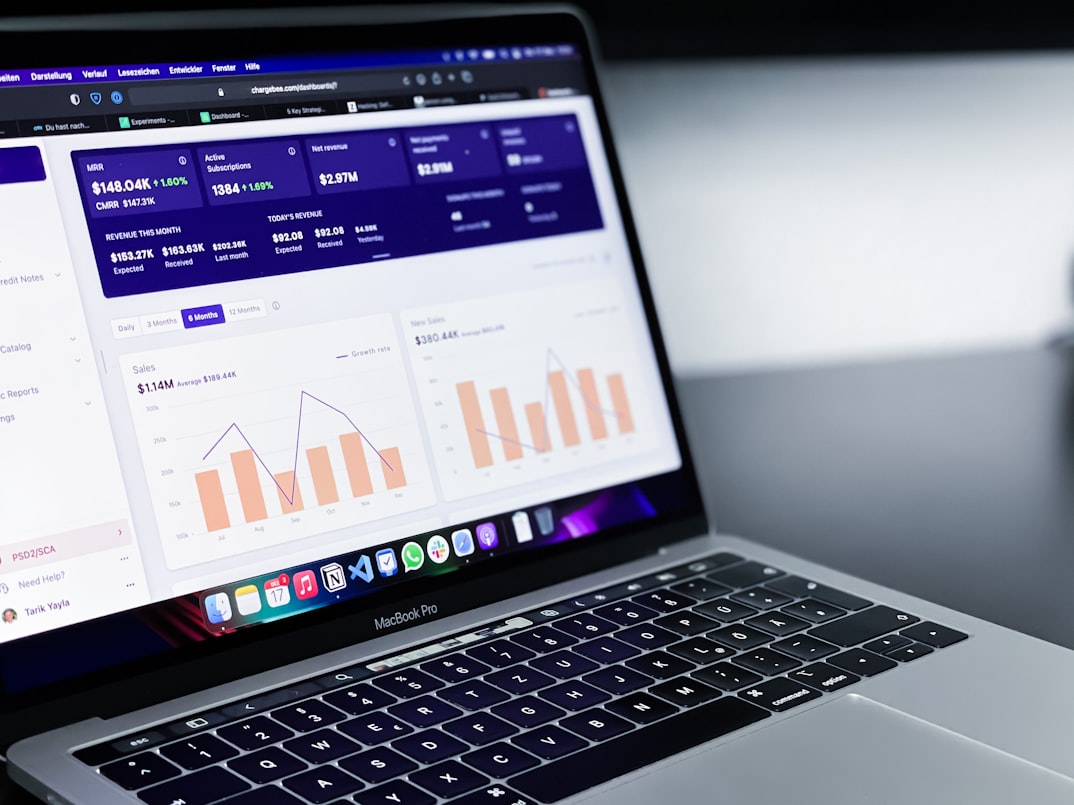
Forecasting Accuracy Drivers: Data Quality vs Model Complexity
Data quality wins more often than model complexity.
Fair warning: the answer might surprise you.
Many retailers spend months comparing forecasting platforms while ignoring inconsistent source data. In practice, fixing duplicate records, standardizing product definitions, and eliminating reporting delays often creates larger forecasting improvements than changing algorithms.
According to research and guidance published by Massachusetts Institute of Technology Sloan School of Management, organizations that improve data foundations often see stronger analytical outcomes because decision systems depend heavily on trustworthy information.
For most retail analytics teams, improving data quality is the easiest win available.
Frequently Asked Questions
How accurate can predictive analytics forecasting become?
Forecast accuracy varies by industry, product type, seasonality, and data quality. Many retail organizations target forecast accuracy rates above 80–90% for mature product categories. The biggest gains usually come from integrating more complete demand signals rather than constantly changing forecasting software.
What data should retailers integrate first?
Start with sales, inventory, ecommerce, and customer data. Those four sources create the strongest forecasting foundation for most retailers. Once those systems are connected, marketing, supply chain, and external market data can provide additional forecasting improvements.
Does real-time data improve retail demand prediction?
Short answer: yes. But here’s the nuance. Real-time data matters most when demand changes quickly. Retailers running promotions, managing seasonal products, or operating across multiple sales channels typically see the greatest benefit from real-time forecasting inputs.
Can small retail businesses benefit from enterprise prediction systems?
Absolutely. Modern cloud platforms make predictive analytics forecasting accessible to businesses of many sizes. Smaller retailers often start with a limited set of integrated systems and expand as forecasting requirements grow.
How long does it take to improve forecasting accuracy?
Honestly, it depends — but here’s how to tell. Organizations with existing data infrastructure may see measurable improvements within a few months. Teams dealing with significant data quality issues often spend longer establishing reliable integrations before forecasting gains become visible.
Your Next Move: Turning Forecast Data into Better Business Decisions
The most successful retail forecasting projects don’t start with AI. They start with data.
That’s the mindset shift many organizations miss.
Instead of asking, “Which forecasting platform should we buy?” ask, “How connected is our data today?” The answer to that question often predicts forecasting success more accurately than the software selection itself.
If you ask me, predictive analytics forecasting is becoming less about building smarter models and more about building smarter data foundations. Teams that connect customer behavior, inventory activity, operational metrics, and sales signals into a single forecasting environment put themselves in a stronger position to anticipate demand rather than react to it.
Your next step is simple: identify the biggest data gap in your forecasting process and fix that first. Then measure the results and build from there. If you’ve implemented predictive analytics forecasting in your organization, share your experience and lessons learned with others facing the same challenge.

Marcus Ellison is an enterprise analytics strategist with 15 years of experience designing AI-driven reporting infrastructures for global SaaS and retail organizations. He holds Microsoft Power BI and Google Cloud Data Engineering certifications and contributes to enterprise analytics research publications.
Now share tips AI & Analytics Integration on metasuita.com