
⚡ Quick Answer
Data integration automation is the process of automatically collecting, transforming, and moving data between systems without manual work. For modern enterprises managing 100+ SaaS tools, it reduces reporting delays, cuts human error, and helps teams make faster decisions using cleaner, real-time data.
MetaSuita — data integration automation stops being a technical buzzword the moment your Monday dashboard shows three different revenue numbers from three different systems. I’ve seen this firsthand while helping SaaS and fintech teams scale ETL environments from a handful of pipelines to thousands of daily jobs. The breaking point usually isn’t infrastructure. It’s trust. Once leadership stops trusting reports, everything slows down.
A few years ago, I worked with a fintech company pulling transaction data from payment APIs, customer records from CRM systems, and finance reports from an ERP. Every morning started the same way: Slack messages asking, “Which dashboard is correct?” Been there? That’s usually when companies realize manual syncing isn’t just annoying—it’s expensive.
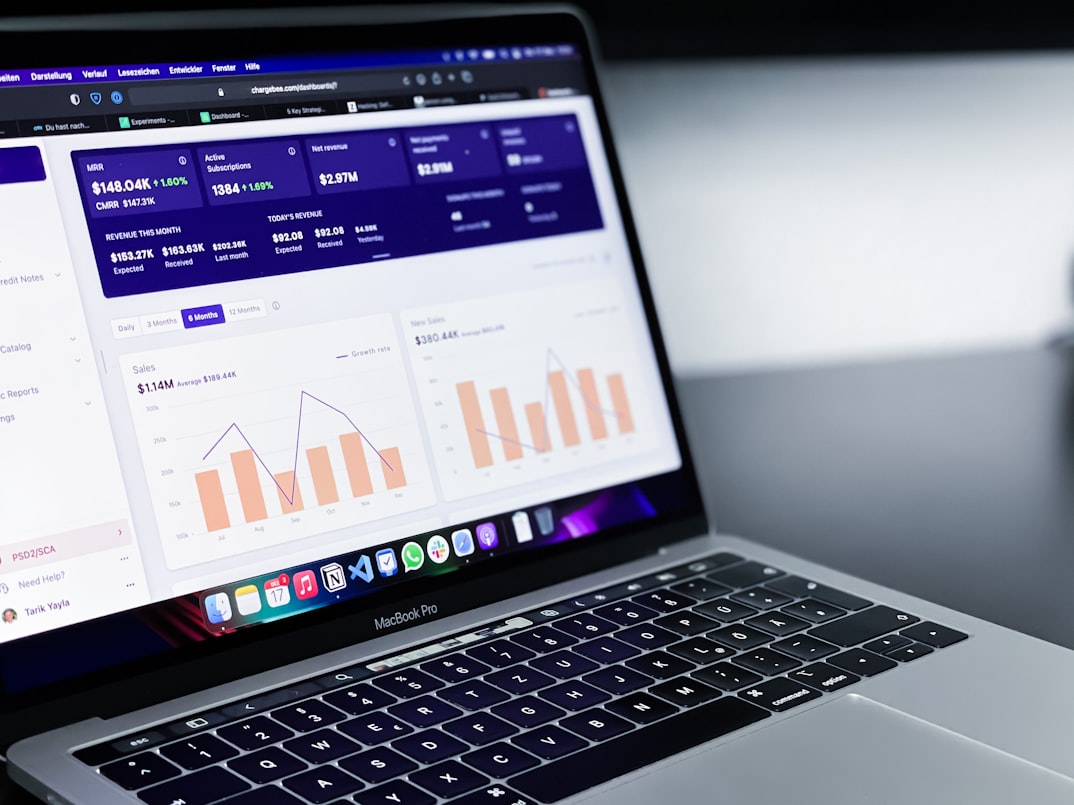
Why are enterprise teams still wasting hours on manual data workflows?
Enterprise teams still waste hours on manual workflows because most systems were never designed to talk to each other cleanly. Data lives everywhere—CRM, ERP, billing, analytics, support, warehouses. And every system speaks a slightly different language.
Manual data workflows are human-dependent processes for moving data between systems. That usually means spreadsheets, CSV exports, custom scripts, or API calls someone is quietly babysitting.
According to IBM, poor data quality costs organizations trillions globally every year through inefficiencies, errors, and lost productivity. That number sounds huge because it is.
Here’s the thing: the problem usually starts small.
Maybe marketing exports campaign data weekly. Finance manually reconciles revenue. Sales syncs CRM records by hand. Sounds manageable. Until it isn’t.
Then growth happens:
- More customers
- More apps
- More data
- More failure points
Suddenly your team is duct-taping workflows together.
What nobody tells you is manual processes rarely fail loudly. They fail quietly. A missed sync here. Duplicate customer records there. One delayed API response nobody notices until a monthly board meeting.
Snippet Answer Paragraph #1:
Data integration automation matters because enterprises often manage 100 to 300 connected systems. Even one failed sync between systems like Salesforce and NetSuite can create reporting gaps, billing mistakes, or operational delays across multiple teams.
I learned this the hard way on a migration project where one nightly job silently failed for nine days. Nobody caught it because dashboards still loaded. The data just wasn’t fresh. Finance made decisions using stale numbers, and that turned into a very uncomfortable leadership meeting.
💡 Key Takeaway: Manual workflows don’t usually break in obvious ways. They break quietly—and by the time you notice, business decisions may already be affected.
What exactly is data integration automation?
Data integration automation automatically moves and prepares data across systems with minimal human involvement. Instead of people manually exporting and reconciling data, automated pipelines handle the work continuously.
Simple idea. Big impact.
At its core, automated data workflows usually follow three stages:
- Extract data from source systems
- Transform it into usable formats
- Load it into a destination system
That’s ETL.
ETL stands for Extract, Transform, Load. It’s the process of moving and preparing business data for reporting and operations.
Think of it like airport baggage routing. Bags come from different check-in desks, pass through sorting systems, and end up at the right plane. Data pipelines work the same way. Raw inputs go in. Clean, usable data comes out.
Modern enterprise ETL automation does this continuously through:
- APIs
- Connectors
- Event streams
- Scheduled jobs
- Validation rules
And yeah, that matters more than you’d think.
Because automation isn’t only about speed. It’s about consistency.
How automated data workflows actually work behind the scenes
Automated data workflows run through triggers, connectors, transformation logic, and monitoring systems. Every part matters.
Here’s a practical example.
A customer buys something online.
That single event may trigger updates across:
- Payment system
- CRM
- Inventory system
- Marketing automation
- Analytics dashboard
All in seconds.
That’s automated orchestration.
If you’re working with enterprise ETL pipeline automation, the workflow usually includes scheduling, transformation rules, schema mapping, retries, and failure alerts.
Real talk: good automation isn’t about moving data fast. It’s about moving reliable data predictably.
A fast pipeline with bad validation is like a sports car with no brakes. Looks impressive. Still dangerous.
This is why teams increasingly invest in automated data validation frameworks. Clean pipelines depend on clean rules.
ETL vs ELT vs real-time integration: what changes with automation?
Automation changes how fast data moves and where transformation happens. The best model depends on business needs.
ETL transforms data before loading.
ELT loads data first, then transforms inside the warehouse.
Real-time integration processes data as events happen.
Here’s the practical breakdown:
| Model | Best For | Speed | Complexity |
|---|---|---|---|
| ETL | Legacy systems, structured reporting | Moderate | Medium |
| ELT | Cloud analytics, big data | Fast | Medium |
| Real-Time | Fraud detection, live dashboards | Very Fast | High |
Most enterprises today use a hybrid approach.
Batch ETL handles stable reporting. Real-time pipelines handle critical operations.
If you ask me, companies often obsess over ETL vs ELT when the bigger question is simpler: How quickly do you need trustworthy data?
That answer shapes everything.
For example, real-time data integration makes sense for fraud detection or live inventory sync. But daily batch jobs may be totally fine for HR reporting.
Not every pipeline needs to be instant.
Honestly? This part surprised even me early in my career. Nine times out of ten, teams don’t need more speed. They need fewer pipeline failures.
The real cost of manual integration nobody talks about
The biggest cost of manual integration isn’t labor. It’s bad decisions.
That’s the part many leaders miss.
Manual data handling creates:
- Reporting delays
- Duplicate records
- Reconciliation errors
- Compliance risks
And once trust in data drops, teams start building their own shadow systems.
Sound familiar?
Finance keeps spreadsheets. Marketing builds separate dashboards. Sales exports CSVs. Operations tracks things manually.
Now everyone has data. Nobody has alignment.
According to the National Institute of Standards and Technology (NIST), poor data governance and inconsistent system controls increase operational risk and decision-making failures in enterprise environments.
That tracks with what I’ve seen.
A single duplicate customer profile may look harmless. But in customer analytics, finance reporting, or fraud detection, duplicates multiply downstream problems fast.
That’s why companies investing in customer data integration and master data management often see improvements beyond reporting.
They get something more valuable.
Confidence.
The trust issue we ended with? That’s exactly where most automation projects either succeed or quietly fall apart.
Plenty of companies build pipelines. Far fewer build pipelines people actually trust.
Why do modern enterprises need data integration automation now?
Modern enterprises need data integration automation because system complexity has exploded. The average enterprise no longer runs on one ERP and one CRM. It runs on dozens—sometimes hundreds—of connected platforms.
Cloud adoption changed everything.
Teams now depend on:
- SaaS apps
- APIs
- Data warehouses
- Streaming platforms
According to Gartner, enterprise software ecosystems continue growing rapidly as companies adopt specialized cloud tools for every business function.
That sounds great until data gets fragmented.
A sales team uses HubSpot. Finance runs Oracle NetSuite. Product teams push events into analytics platforms. Customer support uses Zendesk.
Each tool works well individually. Together? That’s where things get messy.
This is why cloud data integration and API data integration have become kind of a big deal for enterprise IT teams.
What systems benefit most from enterprise ETL automation?
Enterprise ETL automation delivers the biggest value in systems where data changes frequently and decisions depend on accurate reporting.
The usual suspects:
- CRM systems
- ERP platforms
- Billing tools
- Data warehouses
- Marketing systems
Here’s where automation creates immediate wins.
| System | Common Problem Without Automation | Business Impact |
|---|---|---|
| CRM | Duplicate records | Poor sales visibility |
| ERP | Delayed financial sync | Reporting errors |
| Analytics | Stale dashboards | Slow decisions |
| Ecommerce | Inventory mismatch | Lost sales |
| Customer Data Platforms | Identity conflicts | Bad personalization |
For teams managing CRM data synchronization or data warehouse connectivity, automation is often a no-brainer.
Batch vs real-time data integration automation: which is better?
Real-time automation is better for operational speed. Batch automation is better for cost efficiency and simpler workloads.
That’s the short version.
Here’s the comparison:
| Criteria | Batch Integration | Real-Time Integration |
|---|---|---|
| Data Delivery | Scheduled | Continuous |
| Cost | Lower | Higher |
| Complexity | Medium | High |
| Best For | Reporting | Operations |
| Failure Detection | Slower | Faster |
Snippet Answer Paragraph #2:
Batch data integration automation works well for daily reporting, finance reconciliation, and non-urgent analytics. Real-time automation is better when latency above 5–30 seconds creates business risk, such as fraud detection, inventory sync, or payment monitoring.
Here’s my recommendation: pick batch first unless speed directly impacts revenue, security, or customer experience.
Yes, really.
A lot of teams overspend chasing real-time pipelines they don’t actually need. Not worth the hype.
If your dashboard updates every 15 minutes instead of every 2 seconds—and nobody loses money—that’s probably good enough.
That said, real-time analytics integration is hands down worth it for fraud detection and operational alerting.
How to implement scalable data integration automation in 6 practical steps
Scalable data integration starts with architecture discipline, not tool shopping.
Okay, so here’s the practical roadmap.
- Audit all data sources and destinations.
List every system touching operational or reporting data. - Identify critical business workflows.
Focus on pipelines tied to revenue, reporting, and customer experience. - Choose integration architecture.
Pick ETL, ELT, batch, real-time, or hybrid. - Build validation rules early.
Bad data moving faster is still bad data. - Add monitoring and alerting.
You need failure visibility in minutes, not days. - Scale gradually.
Start with high-impact workflows before expanding.
This mirrors what successful teams do when building enterprise data pipelines.
What nobody tells you about scaling? Monitoring becomes more important than pipeline creation.
Seriously.
Anyone can build pipelines. Running hundreds reliably is the hard part.

Best practices for automated data workflows that actually scale
The best automated data workflows prioritize reliability over speed.
That sounds boring. It’s also true.
Use these best practices:
- Standardize schemas early
- Monitor pipeline health continuously
- Add retry logic
- Keep transformations documented
Think of pipeline automation like running a water system. Clean pipes matter. Pressure matters too. But leak detection? That saves you.
For teams handling sensitive workloads, data compliance automation and metadata management systems become essential as scale increases.
Fair warning: the answer might surprise you.
The biggest pipeline failures I’ve seen weren’t caused by bad tools. They were caused by unclear ownership.
No owner = no accountability.
And that’s where expensive outages happen.
💡 Key Takeaway: Great data integration automation isn’t about maximum speed. It’s about trustworthy, observable pipelines that scale without constant human intervention.
Frequently Asked Questions
Is data integration automation only for large enterprises?
No. Smaller companies benefit too, especially if they rely on multiple SaaS tools. Once your team manually reconciles data across 5–10 systems, automation starts paying off quickly.
How long does enterprise ETL automation take to implement?
It depends on system complexity. Simple workflows may take 2–4 weeks. Large enterprise environments with legacy systems can take 6–12 months.
Can automated data workflows replace data engineers?
Short answer: no. But here’s the nuance. Automation removes repetitive work so engineers can focus on architecture, monitoring, and optimization.
What’s the biggest mistake companies make with scalable data integration?
Great question — and honestly, most people get this wrong. They focus too much on tool selection and not enough on governance, ownership, and monitoring.
Do all businesses need real-time integration?
Honestly, it depends — but here’s how to tell. If delays of 30 seconds or more create business risk, real-time probably makes sense. Otherwise, batch is often totally fine.
Your Next Move
Don’t start by buying tools.
Start by finding friction.
Where are teams manually exporting reports? Where do duplicate records keep showing up? Which dashboards trigger debates instead of decisions?
That’s where your data integration automation journey should begin.
Because better pipelines don’t just move data. They create trust across the business.
And once trust improves, decisions get faster. Operations get cleaner. Growth gets easier.
That’s the real payoff.
If you’re evaluating enterprise ETL automation right now, map your top three broken workflows first. That single exercise usually reveals exactly where automation will create the biggest impact.
And if you’ve dealt with pipeline failures, sync issues, or scaling challenges, share your experience—I’d love to hear what you’ve learned.

Rolando Martinez is a senior data integration architect with 14 years of experience building enterprise ETL systems for SaaS and fintech companies. He holds AWS Data Analytics and Informatica certifications and regularly contributes to enterprise cloud integration publications.
Now share tips Enterprise Data Pipelines on metasuita.com